25 Easy Ways to Eat Healthy on a Budget
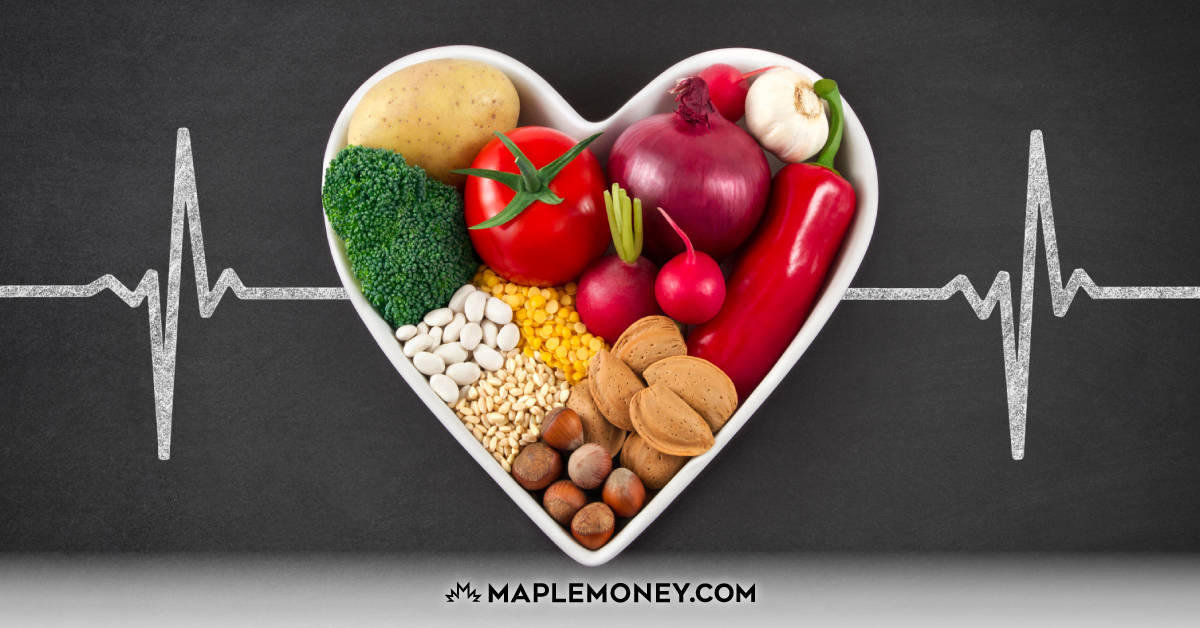

Just because you want to eat healthily, doesn’t mean you need to pay a ton of money to do so. Eating healthy should be an important part of your daily regime, but many people don’t do it because “it costs too much”.
Although convenient, processed food is often much cheaper, eating healthy on a budget can be done – and it should. If you want to live a long, healthy life, the number one thing you can do for yourself is to make sure that everything you put in your body is as natural and healthy as possible.
1. Stick to Your Grocery List
Before you even think about going into the grocery store, you need to make yourself a shopping list. Not shopping with a list is one of the ways that many people overspend on groceries. To avoid this from happening, write a list, and don’t deviate from that list when you’re shopping. Buy what’s on the list, and leave.
2. Keep the Junk Out of Your House
This one is so obvious, but many people fail to do it. Don’t say you want to eat a healthier diet if you are still buying and bringing junk into your home on a regular basis. If the junk belongs to other people in your house, try to keep that stuff out of your sight. In another room, on a higher shelf, whatever helps.
The easier it is for you to eat crap, the more likely you are to do it.
3. Spend the Bulk of Your Cash on Produce
Cut back on meat, which is one of the most expensive items on your shopping list, and instead spend most of your money on fresh produce. Buy as much fruit and as many vegetables as your budget allows. Despite what many people think, produce does keep you full. Here are a few things you can do with a ton of produce:
- Fruit Salad
- Vegetable Chili
- Vegetable Stir-Fry
- Veggies with Homemade Hummus
- Fruit Smoothies
Fresh fruits and vegetables are the best things you can put in your body, so eat as much of them as you can!
4. Don’t Buy Things Just Because They’re on Sale
This is something I was once guilty of doing as well, and it really is a terrible way to shop. Want to know one of the easiest ways to overspend on groceries? Buying stuff you don’t need! Such a simple concept, but many people seem to ignore it.
Just because you see a “good” deal on a bag of chips, doesn’t mean those chips need to come home with you. If you want to live a happy and healthy life, fill your shopping cart with healthy foods only.
5. Choose Whole Grains
The healthiest kinds of grains are whole grains. They’re better sources of fiber and other nutrients and should be included in every healthy diet. Skip the white bread, white pasta, white flour, and white rice. Instead, eat whole wheat or whole grain products. Quinoa, bulgur, corn, buckwheat, oats, whole spelt and wild rice are all whole grains that you can eat as well.
6. Cut Out Soda and Sweetened Drinks
If you drink a lot of soda and other sweetened drinks, now is the time to stop. They are doing absolutely nothing for your health, and instead, are making you gain weight. After you drink a soda and experience a “sugar crash”, you may also become irritable and/or sluggish.
Don’t think that drinking diet soda is an alternative, though. Diet soda can cause headaches, contributes to making you look older than you actually are, and even though they have zero calories, diet sodas can still lead to obesity! (Read more here.)
7. Buy in Bulk
Whenever possible, buy your food in bulk. You can do this by stockpiling and using coupons, and also buy shopping at bulk food stores. Buying in bulk is an easy way to keep healthy food on hand at all times, without spending a bunch of money on it. Here are a few things that I buy in bulk:
- Nuts & Seeds
- Dried Beans
- Rice
- Pasta
- Oats
- Quinoa
- Couscous
- Cereal
- Dried Fruits
- Nut Butters
- Frozen Fruit & Vegetables
Bulk food stores often have sales and discount coupons as well, so try to plan your shopping trips around these events to get even more bang for your buck.
8. Prep Your Food
One of the best things I ever did for myself when trying to get healthy, was to incorporate Food Prep Sunday into my life. This is one day per week that I spend a few hours preparing foods for the coming week. I usually make healthy snacks, since snacks are my weakness, but I also make a few side dishes to use for the week ahead.
Keeping fresh cut fruits & veggies readily available is another way to make sure that healthy food is always at your fingertips.
9. Cook at Home as Much as Possible
When you eat outside the home, you never truly know what is in the food that you’re eating. Most restaurants and fast food joints fill their foods with excess salt and sugars, which is a no-no in any healthy diet.
Making your food at home ensures that you know exactly what goes into your food – which means you are in control and can limit (or eliminate) the salt, sugar, and other bad ingredients.
10. Grow Your Own Food
If at all possible, grow your own food, and grow as much of it as you can. You don’t need to have a full garden, either. A few container gardens (or even just one) is just as good, and are surprisingly easy to create and maintain. There’s nothing better than growing your own, organic food. Here are a few easy things any gardening newbie can grow:
- Green Beans
- Peppers
- Tomatoes
- Fresh Herbs
- Potatoes
- Green Onions
- Garlic
- Carrots
- Zucchini
If you’re brand new to gardening, try a container garden first. See how you do, and then attempt something larger next year, if you wish. Once you start growing your own food, the stuff from the grocery store just won’t taste as good anymore!
11. Put the Healthiest Food Right Up Front
If you must keep some unhealthy items in your home, at least make sure that they are difficult to access, to prevent consumption. Keep all of your healthy items right up front. Make the healthiest foods the first thing you see when you open your cupboards and refrigerator, and you will be more likely to eat those things instead of the bad stuff.
12. Add Veggies to Everything You Can
Try your best to sneak vegetables into anything. Most times, if done right, you don’t even taste them. For example, black bean brownies are loaded with black beans (that you can’t taste) and are a delicious dessert that I like to make for guests.
I also add leafy greens (kale, spinach, collards) to my fruit smoothies. You don’t taste them at all but are benefiting from their healthy nutrients.
13. Eat the Rainbow
Have you ever heard the phrase “eat the rainbow”? As you might have guessed, it means to eat as many colourful foods as possible. Coloured sodas, cereals, and candy don’t count, either!
Fill your diet with colourful produce – oranges, dark leafy greens, apples, beets, bananas, berries, carrots, avocados – these are just a few examples of “rainbow food”, which is the best food you can feed yourself.
14. Eat a Healthy Breakfast
Start your day off right by making the first meal you eat a healthy one. Don’t bog yourself down with something heavy. This will just make you sluggish and unproductive. Always include fruits and/or veggies with every meal, especially at breakfast when you need a good start to your day.
15. Eat More Often
I know what you’re thinking. “How can it possibly be healthy to eat more often? That’s just going to make me gain more weight!” When I say eat more often, I don’t mean to continually stuff your face with food. What I’m trying to say, is to forget about the whole “3 meals a day” thing, and to eat more meals throughout your day – but keep them small.
Eating large meals makes you more likely to over eat, leaving you lethargic. Ever notice how, during big holidays like Thanksgiving and Christmas, people often stuff themselves full of so much food that they joke about needing a nap right after they eat? This is because they ate too much, and they’re paying the price.
Eating 5-6 small meals (and a snack or two) each day will help to control cravings and will keep hunger at bay, making it one of the easiest ways to stay healthy and not overeat.
16. Don’t Deprive Yourself
Everything in moderation, as they say. Don’t think that just because you want to live a healthy lifestyle that you can’t enjoy a slice of pizza or a cookie every once in a while. If you want something, eat it. Just don’t eat too much of it. One slice of pizza and a big bowl of salad is perfectly acceptable. A cookie or two with a cup of tea is okay, too.
Don’t make unhealthy foods something that you eat every day, but know that it’s okay to indulge in small portions once or twice a week.
17. Eat Slower
Another way to prevent overeating is to simply eat your meals slower. Most people eat way too fast, and in turn, end up consuming way too many calories before they realize they’re full. Eat at a much slower pace, and give your brain a chance to tell you that you’ve had enough.
Not only does eating slowly help you to eat less, but it also makes mealtime much more enjoyable, instead of stressful and rushed.
18. Price Match
I’ve always been an enthusiast of price matching. It’s such an easy way to save money, yet many people don’t take the time to do it when they go shopping. Many stores in Canada allow price matching now, and if you’re looking to save money, this is one of the easiest ways to do it.
Before you head out to buy your groceries, look through your weekly sales flyers and see where the best deals are on all of the healthy foods you want to buy. Bring your flyers (or your cell phone) to a store that allows price matching, and get all of your shopping done in one place, while still saving a bunch of money.
19. Shop in Season
When it comes to most produce, there is a good time to buy and a bad time to buy. Always shop in-season for the best savings. Check out our in-season produce guide to figure out what the best items to buy are each month. Stick to these items only to pay as little as you can on your produce purchases.
20. Buy Store Brand
Many people are afraid of store brand items, and I’m really not sure why. Nine times out of ten, the store brand item tastes exactly the same as the name brand item. The only difference is the price – store brand items are almost always way cheaper.
Of course, this does not ring true for all store brand products – some of them are pretty disgusting, to be quite honest. However, don’t completely shelve the idea of store brand groceries.
Try out a few store brand items and see which ones you like, and which ones you don’t. Compare the ingredients, and I bet you’ll find that many are identical. Check out our post on Name Brand vs. Store Brand, as well.
21. Shop at Farmers Markets
Buying groceries from farmers markets is not just a way to support your local farmers, but you can often save a bunch of money on your purchases there, too. Not all booths and farmers are created equal, though.
Just like most anything else in life, you need to shop around to find the best deals for the best products. Chat with the farmers, and see how they grow their foods, and how open they are to giving discounts to their loyal customers.
Another tip for farmers markets is to shop right before they are about to close up shop for the day. Although the selection won’t be as good, you are likely to get a great deal for scooping up a bunch of their produce, just so they don’t have to pack it all up. Buy in bulk, and you can almost always get a good deal.
22. Take Advantage of Store Rewards Programs
It seems like every store is jumping on the rewards program bandwagon these days, but there are only a handful of programs that I think you should bother with:
Make sure you are taking full advantage of these programs when you shop. It’s an easy way to collect points/miles and get free stuff in return, just for buying groceries each week!
23. Check the Unit Price
Bigger is not always better. Although a case of canned tomatoes may seem like a good deal (say, $14.99 for a 12 pack), if you can find cans for $1 on sale (which is a common sale price), then you would be paying $2.99 too much for that 12 pack.
It could also be the opposite, where a can of tomatoes is priced at $1.49, and you could get a case of 12 for $14.99, making the case a better deal.
Of course, only buy the bulk item if you can use it all up before the expiry date.
24. Consider Costco
I was not a fan of Costco until I started to eat a healthier diet. Cookies, sugary cereals and granola bars are not a good deal at Costco. However, things like nuts, seeds, oats, frozen fruits & veggies, and coconut oil are just a few of the healthy items you can buy at Costco for a better price than any other grocery store (usually).
Stock up on these (and other) items at Costco and shop just once or twice a month to keep your spending down. I find that the more often I shop at Costco, the more I spend (because I want everything!), so I write my list, shop once a month, and save money.
Also, I must mention that Costco is not just for people with large families (which is what I originally thought). Costco is for people who want to stock up on foods with a long shelf life, and not pay a hefty price for it all.
25. Pack Your Lunch
Last but not least – pack your lunch. If you work outside the home, this one is essential for eating healthy and saving money. Even if you just spend $5/day on lunches, 5 days per week, that’s $1200/year! You can significantly cut that cost by making your own lunch to bring in to work each day.
This not only allows you to save money but also gives you the opportunity to pack only healthy items (because let’s face it – there aren’t many fast food options that are healthy).
There you have it – 25 ways that you can eat healthy, without having to spend a ton of cash. I hope these tips have encouraged you and made you realize that you can eat healthy on a budget!


Comments
My biggest issue with trying to eat healthier is the time it takes. I try to make as much as possible from scratch but when I dont have time and need a snack I always grab something bad for me because it is quick. But I found that if a take an hour or two on Sunday, wash and cut up a bunch of veggies and fruit and store them in large tupperware in my fridge it is much easier than taking time as you go along during the week to make healthy snacks. Also with a variety of veggies already to go in the fridge it is much easier to throw them into dinner without extra hassle
Exactly! It only takes an hour or two to at least prep some snacks for the week. 🙂
Even if you just spend $5/day on lunches, 5 days per week, that’s $240/year!
-check your math… 5 x 5 x 50 != 240 🙂 Much more like $1000!
Oops, thank you!
actually 5 days a week * 4 weeks per month * 50 weeks per year (actually 52.17 but lets assume you don’t work 2 of those)= exactly 1000. Being a math geek I immediately saw an issue with both equations. The 1000 number definitely makes packing a lunch look good for the body and the wallet. 🙂
I love shopping at farmer’s market in season…however while the produce is high quality it is definately a lot more expensive in my experience. You used to be able to stop at a roadside stand and buy fresh produce in season really cheap but now I find they are way more expensive. An example last summer was for blueberries… At farmer’s market they were selling (at more than one vendor) for $5 a pint…that same day no frills were selling Ontario blueberries (nice quality) for $.99 a pint…and as we were freezing them it was hard to justify paying the extra $4 a pint especially as we wanted about 20 pints to last winter for smoothies. The outdoor farmer’s market was fun…nice weather outside, take the dog, chat with people, grab a coffee etc but it seemed we always spent between $70 and $100. I can get local produce for at least Half the cost by price matching at grocery store.
I have to disagree about buying store brand. It is NOT usually cheaper. If you watch for sale, and then use coupons with the sales, it almost ALWAYS cheap to buy brand name. The store brans never have coupons, and the sales are not often that good. Plus, in my experience, there is often a quality difference in many of the products. I always buy brand name, because I get them for cheaper than store brands!
I agree with your strategies about keeping less healthy food out of sight…one other strategy I have is to buy potato chips (a weakness of mine) in flavours I don’t like – which in my case is dill pickle and ketchup. Those in my household who eat chips are happy and I eat healthier! Thanks for the great article!
These are all great tips. What keeps us on track and on budget is doing a menu and sticking to it. My grocery list includes all the menu items so I know I will have what I need in the fridge/freezer/pantry to cook meals at home. Do defaulting to takeout since we always know what’s for dinner.
Like you, Sunday is prep day. I try to make one or two dishes that we can reheat quickly midweek when we work late. Doubling recipes and freezing portions is helpful where possible.
#25.
$5/day X 5 days/ week X 48weeks/year is $1200/year, not 240…
Love these ideas, but getting my family to comply is more than just a migraine. Also there are other problems, economically.
How do you keep cut up fruits and veggies fresh for a week without them getting mushy or brown? I know lemon juice helps reduce browning for some of them, but not all. It definitely does not help the limp syndrome.
Growing is simply not an option where I live. I live in a wooded area and it’s not just my own trees in the way, but my neighbors’ trees shade my yard tremendously, one is an Oak tree the size of Mt. McKinley, which just happens to be right along our fence line. It even drapes over my house so we’re constantly trying to trim it back, but I digress. lol! I simply do not have a spot that gets enough sunlight. Container gardening wouldn’t work because I can’t be here to move them throughout the day.
We don’t have a Costco in our area either. The closest one is 2 hours away which won’t save me anything with the cost of gas.
Another problem, I think, is that people who live in large cities, expect it to be so easy for everyone. City folks have competitive prices, access to tons of grocery stores, farmer’s markets, and so forth. We have only 3 grocery stores, none of which are cheap. Let me put it this way, when I was in Los Angeles, I found that food was 1/4 of the price it is here at home. That’s right. I pay 75% more for groceries in my area than people in LA do, I kid you not! I live in a little town outside of Mobile, Alabama. You would think that since I am surrounded by farm land, our food would be cheaper. It isn’t, I am sad to say.
It really is depressing. I would love to eat healthier, but our budget is very limited and let’s face it, cheaper foods are simply not healthy. It truly saddens me.
I sincerely appreciate your post, but it just doesn’t work for everyone. Believe me when I say, I sure wish it did.